Opera can seem intimidating from the outside — three hours of singing in a foreign language, formal dress codes, and centuries of tradition. But step inside a great opera house and you'll discover one of the most emotionally powerful art forms ever created. Here's everything you need for a great first visit.
What actually happens at the opera
An opera is a staged drama in which the characters sing rather than speak, accompanied by a live orchestra in the pit below the stage. Performances typically last two to three hours, with one or two intermissions of around 20–30 minutes each.
Most operas are sung in their original language — Italian, German, or French — but almost every major opera house displays supertitles: translations projected above the stage so you can follow the story in real time. Don't worry about not speaking Italian; supertitles make it easy.
How to choose your first opera
Start with something dramatically gripping and melodically immediate. The three best operas for first-timers are:
- La Traviata (Verdi) — a love story with devastating heartbreak and some of opera's most famous arias. Short, melodically rich, and emotionally direct.
- The Barber of Seville (Rossini) — a comedy full of slapstick, disguises, and irresistible tunes. Impossible not to enjoy.
- La Bohème (Puccini) — young artists in love in Paris. The melodies are immediately memorable and the ending will break you.
Avoid Wagner for your first visit — his operas are masterpieces, but they run four or five hours and demand prior familiarity to fully appreciate.
What to wear to the opera
There's no strict dress code at most opera houses today, but audiences tend to dress up. At major houses — Milan's La Scala, Vienna's Staatsoper, or the Royal Opera House in London — smart casual is the comfortable minimum; many people wear formal attire for opening nights.
The safest rule: if you'd feel underdressed at a nice restaurant, you'll feel underdressed at the opera. A dark blazer or an elegant dress is always right. Avoid sportswear and very casual clothes.
Opera etiquette: the essential rules
- Arrive early. Latecomers are usually not seated until the first intermission — you'll miss the opening scene.
- Turn your phone completely off. Not just silent. A vibrating phone in a quiet house carries further than you think.
- Don't talk during the performance. Opera audiences are quiet. Whispering carries.
- When to applaud. Applause after arias (solo songs) is welcomed and expected — even in the middle of an act. When a singer nails a difficult high note, the audience often erupts. Don't hold back.
- Bravo vs. Brava. In Italian, bravo is for a man, brava for a woman, bravi for the whole cast. Opera audiences use the correct form — now you can too.
Understanding the seating
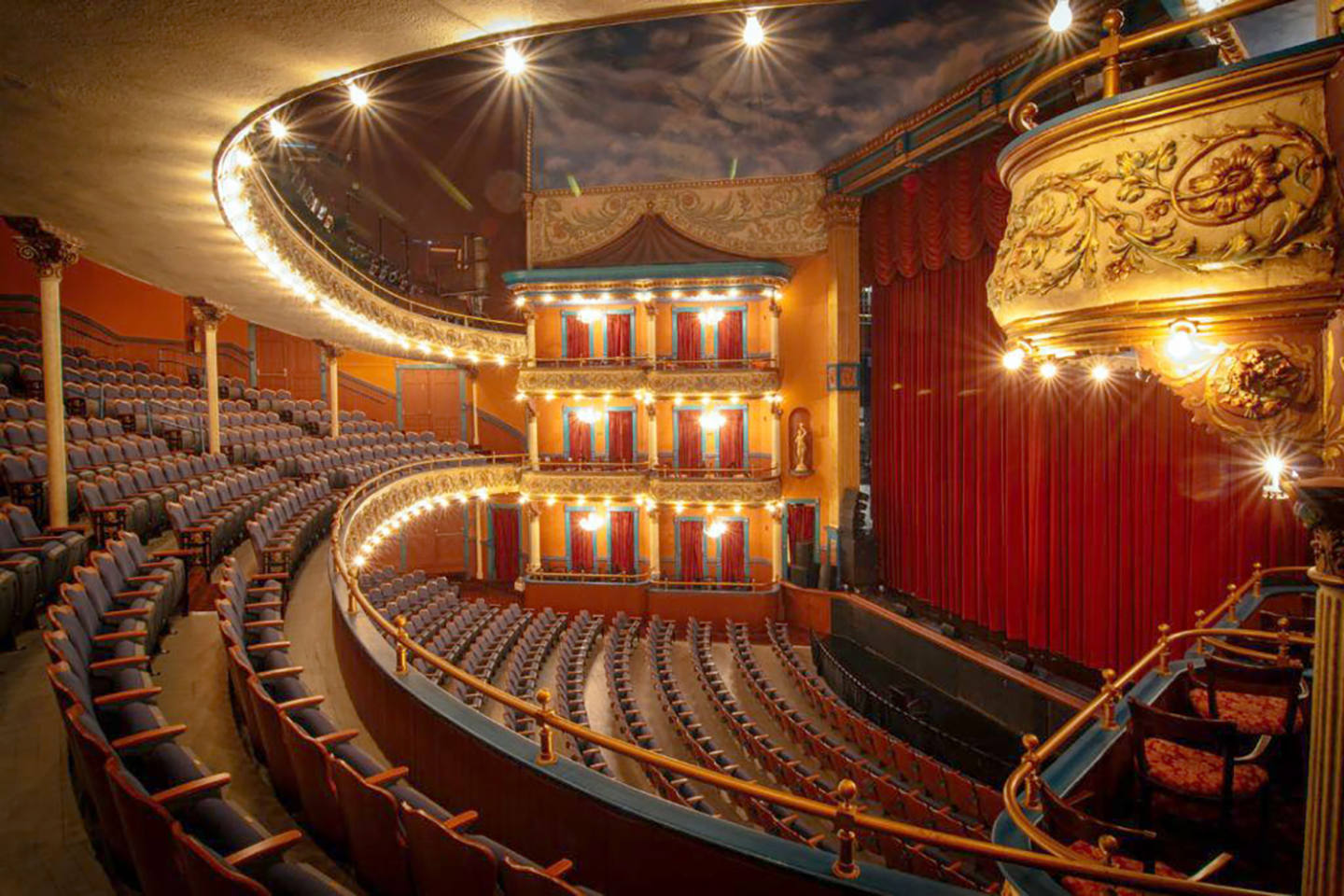
Opera houses have a layered seating structure worth understanding before you book:
- Stalls (platea) — the main floor. Best sight lines, usually most expensive.
- Boxes (palchi) — private boxes arranged in tiers around the sides. Historical and beautiful, but sight lines can be angled.
- Gallery (loggione) — the highest tier. Cheapest seats, and often where the most passionate fans sit. The acoustics can be superb.
For a first visit, mid-stalls or a low-tier box gives the best combination of sight lines and sound.
Making the most of intermission
Intermissions last 20–30 minutes. Most opera houses have bars where you can get a glass of prosecco or an espresso. It's also the moment to process what you've just seen — the first act of a great opera leaves you with plenty to say.
How to get tickets
Book directly through the opera house's official website for the best selection and no booking fees. For popular houses like La Scala in Milan or the Arena di Verona, tickets for major productions sell out months in advance.
Last-minute standing-room tickets are often available at the box office on the day of performance. You can also use PerformingArtsAtlas to find opera performances near you or in any city you're visiting, with direct links to official ticketing.
One last tip
Listen to a recording of the opera before you go — once through, just for the melodies. When you hear those familiar tunes live with a full orchestra and two hours of dramatic weight behind them, the effect is extraordinary. Opera rewards a little preparation with a great deal of emotion.