Teatro alla Scala is not just Italy's greatest opera house — it is one of the most historically significant performing arts venues in the world. Since 1778, La Scala's stage has seen the premieres of Verdi's Otello and Falstaff, Puccini's Madama Butterfly, and legendary performances by Caruso, Callas, and Pavarotti. An evening at La Scala is an evening inside the living history of opera.
A brief history of La Scala
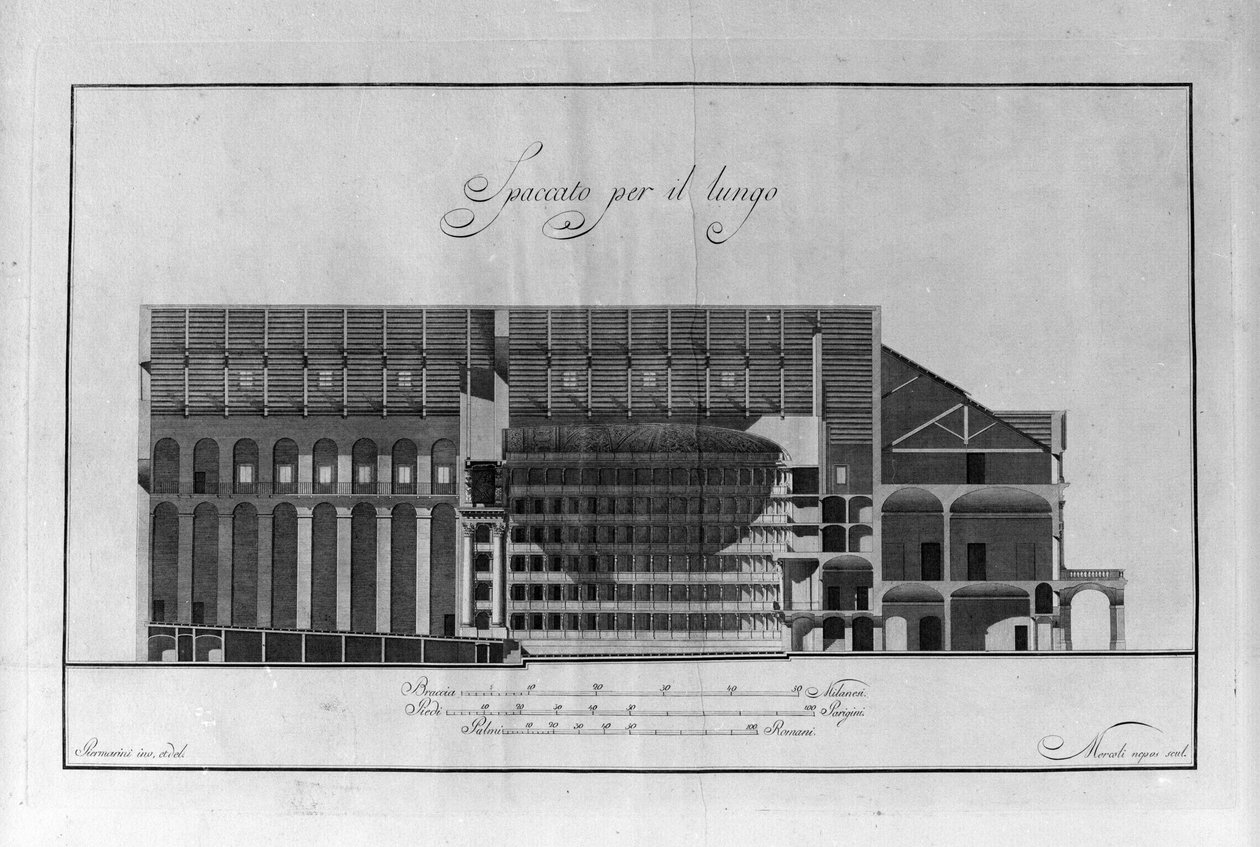
La Scala was built on the site of a demolished church — Santa Maria alla Scala — which gave the theatre its name. The Empress Maria Theresa of Austria commissioned architect Giuseppe Piermarini to design it, and it opened on 3 August 1778 with Europa Riconosciuta, a work composed for the occasion by Antonio Salieri.
The theatre was heavily damaged by Allied bombing in 1943 and rebuilt in 1946. Its reopening concert, conducted by Arturo Toscanini, became a symbol of Italy's cultural rebirth after the war. A major renovation between 2002 and 2004 modernised the stage machinery while preserving the neoclassical auditorium.
The auditorium
La Scala's horseshoe-shaped auditorium seats 2,030 people across six tiers of boxes with a gallery above — the classic Italian opera house layout that prioritises acoustic intimacy. The famous red and gold interior is recognisable from photographs, but nothing prepares you for the atmosphere when the house is full and the lights dim.
The acoustics are outstanding from most positions. The cheapest seats in the top gallery (loggione) are occupied by the most passionate fans — the loggionisti — who applaud brilliance and, on occasion, let performers know when they fall short. It's part of La Scala's character.
What's on at La Scala
The La Scala season runs from December through to July. The traditional opening night falls on 7 December — the feast of Sant'Ambrogio, Milan's patron saint — and is one of Italy's great cultural and social occasions.
The repertoire balances the Italian canon (Verdi, Puccini, Rossini) with German and French opera, and occasional contemporary premieres. The resident orchestra and ballet company are among Italy's finest.
Find upcoming opera in Milan, ballet at La Scala, and classical concerts in Milan with direct ticket links on PerformingArtsAtlas.
How to get tickets
Tickets are sold through the official La Scala website (teatroallascala.org) and at the box office in Piazza della Scala. Demand is high for major productions — particularly the 7 December opening night — so book well in advance.
- Subscription packages are popular with Milanese regulars and include priority booking for the season.
- Last-minute availability sometimes appears online in the days before a performance.
- Day-of standing room tickets are sold at the box office from the morning of the performance — an excellent way to experience La Scala at a significantly lower price.
- Prices range from around €15 for upper gallery seats to €250+ for premium stalls positions.
The Museo Teatrale alla Scala
La Scala's museum is one of the finest performing arts museums in the world. It holds Verdi's death mask, Rossini's piano, historic costumes, portraits of legendary singers, and detailed set models from famous productions. Entry includes a view of the auditorium from one of the boxes — well worth doing even if you can't get performance tickets.
Dress code and etiquette
La Scala is one of the more formally dressed opera houses in Europe. For a regular evening performance, smart dress is expected — a jacket for men, an elegant outfit for women. For opening nights and galas, formal attire is standard.
The audience is knowledgeable and vocal. Enthusiastic applause between acts is the norm; if a performance falls short of expectations, you may hear it. The passion — in both directions — is part of what makes La Scala unlike any other theatre.
Getting there
La Scala is in the centre of Milan, a few minutes from the Duomo:
- By metro: Line 1 (red) to Duomo, or Line 3 (yellow) to Montenapoleone.
- On foot: 5 minutes from Piazza del Duomo; around 20 minutes from Milano Centrale station.
- Address: Piazza della Scala, 20121 Milano.
The Brera and Quadrilatero della Moda neighbourhoods nearby are ideal for dinner before the performance — the area has excellent restaurants at every price point.